If there’s one thing every beautiful lawn and healthy plant has in common, it’s this:
good soil.
Not fancy fertilizer.
Not expensive equipment.
Not watering ten times a day.
The real magic lies in the soil beneath your feet.
When the soil is healthy, everything you plant—flowers, vegetables, shrubs, or lawn grass seed—grows effortlessly. And when the soil is weak, even the best seeds and plants struggle to survive.
So today, let’s talk about how you can prepare perfect soil for your lawns and plants in a simple, practical, no-fuss way. Whether you’re starting a new garden, refreshing your lawn, or just want your plants to look happier, this guide will make the whole process easier.
🌱 1. First, Get to Know Your Soil
Before you start adding compost or digging holes, pause for a moment and really look at your soil.
Is it sandy and dry?
Sticky and clay-like?
Dark and crumbly?
Different soil behaves differently, so understanding what you already have helps you improve it correctly.

Ask yourself:
- Does water disappear too quickly?
- Does it stay muddy for too long?
- Does the soil feel tight and hard?
Good soil should feel soft, a bit moist, and easy to break apart. If your soil feels lifeless or difficult to work with, don’t worry—you can absolutely fix it.
2. Give Your Lawn or Garden a Clean Start
Before preparing the soil, clean the area properly.

Remove:
- Dry leaves
- Old grass
- Weeds
- Stones
- Sticks
- Any random debris
Seeds and young plants need a bunker rake's clean surface so their roots can touch the soil directly. If you’re planning to sow high-quality turf seed in India, this simple cleaning step can dramatically improve your germination and coverage.
3. Loosen the Soil—Let It Breathe Again
Soil becomes hard over time because of footsteps, rain, pets, or mowing. Plants struggle in compacted soil because roots can’t spread, water can’t enter, and air can’t move through.
So loosen it.
Use a garden fork, garden spade, or rotary weeder and break the soil about 6–8 inches deep.
Don’t worry about being perfect—just make sure the soil feels lighter and more open.
Looser soil = happier roots.
Happier roots = healthier plants and greener lawns.
4. Mix In Organic Matter—This Is Where the Magic Happens
If you ask any experienced gardener what makes soil “come alive”, the answer is always the same: organic matter.
You can add:
- Kamdhenu Vermicompost enriches the soil with natural worm-processed nutrition for healthier, happier plants.
- High Neem offers natural protection against soil pests while supporting overall soil health.
- Mahabali Great delivers a powerful nutrient push that helps plants grow bold, vigorous, and resilient.
- A mild starter fertilizer Spot Mag to kick-start root activity and add essential magnesium for greener, stronger growth.
- Organic manure (Neem Yukt) to rebuild natural fertility while keeping the soil protected from harmful pests.
- Humaxx Granular to supply micronutrients and improve soil structure, moisture retention, and overall soil life.
These natural materials soften soil, improve moisture, and bring back microbial life.
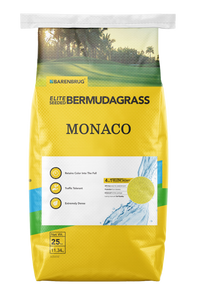
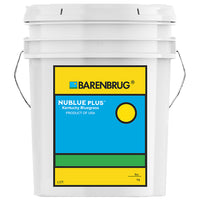
When you sow premium seeds like NuBlue (known for deep colour) or Top Gun II (known for fast, winter-strong germination), organic-rich soil helps them establish quickly and grow beautifully.
5. Level the Soil—Just Enough, Not Too Much
Once you’ve mixed and loosened the soil, level it gently.
This keeps water from collecting in one spot, prevents dry patches, and makes mowing easier later. Use a rake or a straight piece of wood and lightly drag it across the surface.
You’re not aiming for perfection—just a smooth, even layer.
6. Prepare the Top Layer Properly
For lawns, the top 1 inch of soil matters the most. This is where seeds germinate.
Make sure the top layer is:
- Fine
- Soft
- Lump-free
- Slightly moist
This is especially important if you're using high-quality turf seed in India, as good seed performs best when the soil surface is smooth and welcoming.
7. Water the Soil Lightly—Don’t Flood It
Water your prepared soil gently.
You’re not trying to soak it—just moisten it enough to help the soil settle and support the plants or seeds you’ll add.
Tips:
- Use a sprinkler or gentle spray
- Avoid strong water flow
-
Keep the top layer slightly moist
Moist soil encourages quick root development and improves seed germination.
8. Mulch If Needed—It Protects and Nourishes
Mulching isn’t mandatory, but it’s one of the easiest ways to protect your soil.
Mulch helps by:
- Reducing water loss
- Preventing weeds
- Keeping soil cool
-
Improving fertility over time
You can use dry leaves, grass clippings, coco chips, or straw.
Mulch works especially well during summer or dry months.
9. Let the Soil Rest a Bit
Once your soil is prepared, give it 2–3 days to rest.
This allows:
- Nutrients to settle
- Soil microbes to activate
- Moisture to balance
-
Structure to stabilize
Then plant your seeds or plants.
A little patience goes a long way.
Final Thoughts
Good soil is the start of everything beautiful in your garden. When the soil is prepared with care, your plants grow healthier, greener, and stronger—with half the effort. Whether you’re growing vegetables, flowers, or starting a fresh lawn using lawn grass seed, remember:
Healthy soil = Easy gardening
Don’t rush the process. Build your soil slowly, naturally, and with intention.
Your plants will reward you in ways you can actually see.

Suggestions to Keep Your Soil Healthy
- Add compost every 2–3 months
- Avoid walking on newly prepared soil
- Aerate your lawn once or twice a year
- Water early in the morning
- Mulch regularly, especially in summer
- Keep improving your soil little by little
- Choose seeds suited to your climate and season
Small steps create long-lasting, healthier soil.
Frequently Asked Questions
1. How often should I prepare or refresh my soil?
Twice a year is ideal—before summer and before winter planting.
2. Can I plant immediately after preparing soil?
Yes, but letting the soil settle for a couple of days gives better results.
3. How do I improve soil that is too hard?
Loosen the soil deeply, then mix in a light dose of Sulpha Cal to strengthen root development and improve soil balance.
4. My soil drains too fast—what should I do?
Add Neem Yukt to help the soil hold moisture better and stay naturally protected.
5. Does the quality of seed matter?
Absolutely. For lawns, the difference between ordinary seed and high-quality turf seed in India is huge—better colour, faster growth, and stronger roots.