Every year, as early winter starts to roll in across India, the same thing happens—the lawns begin to lose their charm. The warm-season grasses that looked picture-perfect in the monsoon slowly fade into a tired, yellowish tone. Whether it’s a golf course fairway, a resort lawn, a sports field, or even a small home garden, the change is visible and, honestly… a little disappointing.
But then comes the grass that loves this season.
The grass that steps in exactly when everything else slows down.
That hero is perennial ryegrass.
If you’ve ever overseeded with good-quality perennial ryegrass seed India, you already know the transformation it brings. The dull spaces turn fresh again. The colour comes back. The whole lawn looks revived—as if winter never arrived.
Let’s break down why perennial ryegrass performs so beautifully in early winter and why it’s a favorite across turf managers, landscapers, nurseries, and home gardeners.
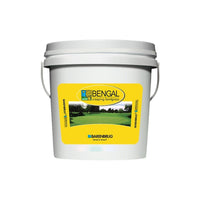
Top Gun II is basically the “go-to” winter perennial ryegrass for people who want quick results without complications. It’s a high-quality perennial ryegrass blend that comes to life the moment temperatures start cooling down. Turf managers, gardeners, and grounds crews love it because it germinates fast, covers quickly, and gives that rich wintergreen colour everyone looks for.
1. Winter Weather Is Perfect for Perennial Ryegrass
The moment nights get cooler and mornings turn crisp, perennial ryegrass starts feeling at home.
While Bermuda, Doob, and other warm-season grasses enter “rest mode”, perennial ryegrass wakes up fully.
Early winter temperatures in India—usually between 10°C and 25°C—are exactly what ryegrass needs to grow fast and stay green. This is why perennial ryegrass seed gives such strong and immediate results during this period.
It’s a simple equation:
Warm-season grass sleeps. Perennial ryegrass shines.
2. It Germinates Like Lightning
One of the biggest reasons people choose perennial ryegrass is speed.
If you prepare your lawn well and water correctly, perennial ryegrass germinates in just 5 to 7 days. That’s incredibly fast.

Within 10–12 days, you’ll see a soft carpet forming.
Within 2–3 weeks, it actually starts looking like a proper winter lawn.
For stadiums, weddings, resorts, and nurseries—this speed is a lifesaver. When winter events are lined up, you don’t have time to wait 30 days for coverage. Perennial ryegrass gives you quick, dependable results.
3. The Colour Is Just Beautiful
Let’s be honest—most people choose perennial ryegrass for the colour.
Perennial ryegrass has a naturally rich, dark green tone that stands out instantly. It looks premium, fresh, and clean. And unlike warm-season grasses that turn brownish during winter, perennial ryegrass maintains its colour beautifully throughout the season.

Hotels love it.
Golf courses love it.
Home garden owners love it.
There’s something satisfying about seeing a fresh green lawn in the middle of winter, and high-quality perennial ryegrass seed India options deliver that look consistently.
4. It Handles Winter Activity Without Giving Up
Winter is surprisingly a high-traffic time in India.

- Sports matches.
- Weddings.
- Outdoor events.
- Tourist season.
- School functions.
- Corporate gatherings.
And turf takes a beating during these months.
Perennial ryegrass is strong enough to handle all of it. It stays upright, repairs itself quickly, and doesn’t crush easily under foot traffic. This is one of the reasons stadiums and golf courses prefer perennial ryegrass seed—it doesn’t just look good; it performs under pressure.
5. It Works Perfectly With Your Existing Grass
Here’s the best part: you don’t have to replace your lawn to enjoy perennial ryegrass in winter.

Perennial ryegrass and warm-season grasses work like a team.
- In winter: Perennial ryegrass takes over the surface and keeps it green.
-
In summer: Perennial ryegrass naturally fades away as Bermuda/Doob wakes up again.
It’s a smooth seasonal partnership that turf managers trust every year.
6. It’s Low-Maintenance, Even Though It Looks High-End
Perennial ryegrass looks premium, but caring for it is actually simple.

- Water lightly and regularly during germination.
- Give a little fertiliser after 15–20 days.
- Mow when needed.
- Keep an eye on moisture and drainage.
That’s it.
You don’t need complicated winter schedules or heavy inputs. Once perennial ryegrass settles, it grows steadily and stays green naturally through early winter and mid-winter.
For home lawns and large facilities alike, it’s a very practical winter turf choice.
7. It Fits Everywhere—Truly Everywhere
That’s another beauty of perennial ryegrass: it doesn’t belong to just one category.

- Golf courses use it for fairways
- Cricket and football stadiums use it for winter tournaments.
- Resorts use it for events and guest areas.
- Nurseries produce winter turf rolls with it.
- Homeowners overseed small patches for a fresh winter look.
- Landscape companies use it for parks and corporate spaces.
Wherever winter colour is needed, perennial ryegrass fits perfectly.
And every year, demand for perennial ryegrass seed in India increases because people have seen the difference it makes.
Final Thoughts
Winter doesn’t have to mean dull lawns or fading landscapes. With high-quality perennial ryegrass seed, you can keep your turf looking alive, vibrant, and healthy even when warm-season grasses take their seasonal break.
Perennial ryegrass is fast, beautiful, strong, and incredibly dependable—everything you need during the early winter slowdown.
It’s not just a winter grass.
It’s your lawn’s winter makeover.
Suggestions for Best Results
Prepare the lawn properly before sowing.
Keep the top layer moist for the first 7–10 days.
Avoid overwatering.
Use a starter fertilizer after germination.
Mow lightly at 2.5–3 inches.
Ensure full sunlight.
Overseed at the right rate.
Restrict heavy foot traffic in the first 10 days
FAQs
1. When should I sow perennial ryegrass in India?
Mid-October to early December—depending on local temperature drop.
2. How much seed do I need?
- Lawns: 3–4 kg per 1,000 sq. ft.
- Sports fields: 6–8 kg per 1,000 sq. ft.
3. Will perennial ryegrass survive summer?
No—and that’s normal. It fades when temperatures rise, letting Bermuda/Doob return.
4. Is perennial ryegrass better than annual?
Yes—perennial ryegrass offers better colour, density, recovery, and uniformity.
5. Does perennial ryegrass need a lot of water?
Only during germination. After that, winter weather does most of the work.