Collection: Secondary Nutrient Fertilizer
Alongwith the primary nutrients, we also need secondary nutrients for complete growth of plants. Here we have large range of our secondary nutrient fertilizers. Have a look and select your required product.
-
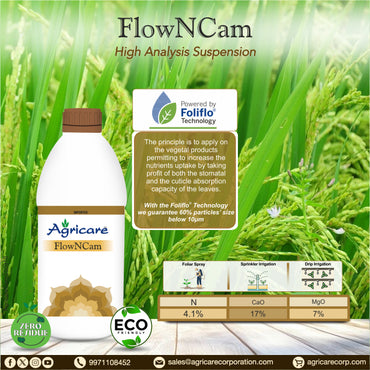
Agricare FlowNCam
Foliar Calcium-Magnesium Suspension Fertilizer
Regular price ₹ 287Sale price ₹ 287 Regular priceUnit price per₹ 478 -
Agricare SPotMag
Delivers essential nutrients quickly and supports long-term plant health throughout all critical growth phases.
Regular price ₹ 420Sale price ₹ 420 Regular priceUnit price per₹ 600 -
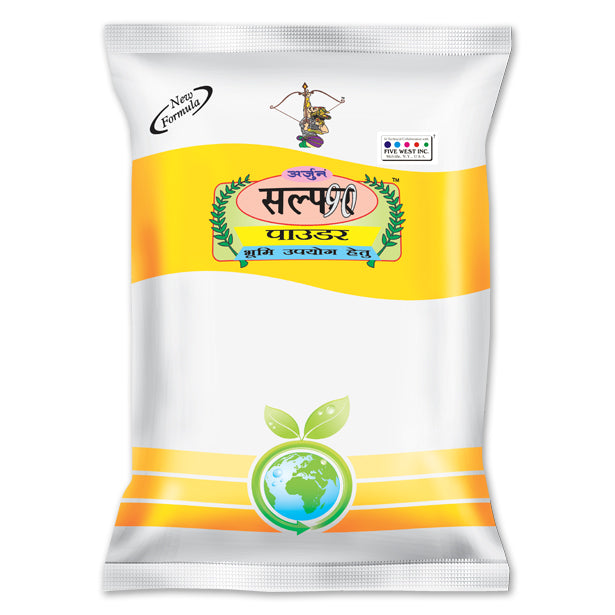
Arjun Mg Active
Natural Epsom Salt for Plants – Pure Magnesium (33% MgO) Fertilizer Organic Plant Growth Booster
Regular price ₹ 84Sale price ₹ 84 Regular priceUnit price per₹ 104



Secondary Nutrient Fertilizers in India | Magnesium, Sulphur and Potassium Fertilizers for Plants
Plants need more than just nitrogen, phosphorus, and potassium to thrive. Secondary nutrients — magnesium, sulphur, and calcium — play a critical role in chlorophyll production, protein synthesis, enzyme activation, and overall plant vigour. Deficiencies in these nutrients are common in Indian soils and often appear as yellowing leaves, poor flowering, or stunted growth. Agricare Corp's secondary nutrient fertilizer range — including magnesium sulphate (epsom salt), potassium magnesium sulphur fertilizers, and specialty liquid formulations — helps you correct deficiencies and maintain healthy, productive plants.
Why Secondary Nutrients Matter
- Magnesium (Mg): Central to chlorophyll structure — a deficiency turns older leaves yellow between the veins while the veins stay green (interveinal chlorosis). Essential for photosynthesis and seed germination.
- Sulphur (S): Necessary for protein and amino acid synthesis. Sulphur-deficient plants show uniform yellowing of young leaves and reduced crop quality and yield.
- Potassium-Magnesium-Sulphur (K-Mg-S) combinations: Correct multiple deficiencies in one application, widely used in commercial horticulture, floriculture, and organic farming.
Epsom Salt (Magnesium Sulphate) for Plants
Epsom salt — chemically magnesium sulphate (MgSO4) — supplies both magnesium and sulphur in a water-soluble form that plants can absorb quickly through both roots and foliage. Common uses include: correcting magnesium deficiency in tomatoes, roses, and peppers; improving fruit set and sweetness; enhancing transplant recovery; and boosting seed germination rates.
How to Apply Secondary Nutrient Fertilizers
- Soil application: Granular K-Mg-S or magnesium sulphate can be broadcast or incorporated into the soil before planting, or top-dressed around established plants.
- Foliar spray: Dissolve magnesium sulphate in water (15 to 20 g per litre) and spray directly on leaves for quick correction of visible deficiency symptoms.
- Drip irrigation: Liquid secondary nutrient formulations are ideal for drip-irrigated crops, nurseries, and container plants.
Safe Handling Checklist
| Step | Details |
|---|---|
| Protective Equipment | Wear gloves when handling granular or liquid fertilizers; wash hands thoroughly after application |
| Mixing Instructions | For foliar spray, dissolve 15 to 20 g per litre of water; do not exceed recommended label dilution rate |
| Avoid Leaf Burn | Apply foliar sprays in early morning or late afternoon only — never in direct midday sun to prevent leaf scorch |
| Pre-Harvest Interval | For edible crops, observe a 7-day pre-harvest interval after the last foliar application |
| Storage | Store in a cool, dry place in original sealed packaging; reseal bags tightly after each use |
| Compatibility | Do not mix magnesium sulphate with calcium nitrate in the same spray solution — precipitation will form |
Application Dosage Guide
| Plant Type | Application Method | Dosage | Frequency |
|---|---|---|---|
| Vegetables (tomatoes, peppers, brinjal) | Foliar spray | 15 to 20 g per litre of water | Every 14 days during fruiting stage |
| Roses and ornamental flowers | Foliar spray | 10 to 15 g per litre of water | Every 21 days |
| Fruit trees (citrus, mango) | Soil drench | 50 to 100 g per tree | Monthly during growing season |
| Lawn and turf grass | Soil broadcast | 25 to 30 g per sq m | Once per season (pre-monsoon) |
| Container and potted plants | Foliar or soil drench | 5 to 10 g per litre of water | Every 14 to 21 days |
Magnesium Sulphate vs K-Mg-S vs Liquid Secondary Nutrient — Comparison
| Feature | Magnesium Sulphate (Epsom Salt) | K-Mg-S Granular | Liquid Secondary Nutrient |
|---|---|---|---|
| Nutrients Supplied | Mg + S | K + Mg + S | Ca + Mg + S (varies by product) |
| Application Method | Soil drench or foliar spray | Soil broadcast or top-dress | Foliar spray or drip irrigation |
| Speed of Action | Fast (foliar: 24 to 48 hours) | Moderate (soil: 1 to 2 weeks) | Fast (foliar application) |
| Best For | Quick Mg deficiency correction in all crops | Multi-deficiency soil correction; commercial horticulture | Precision correction at specific growth stages |
Cross-Sell: Soil Health Correction Kit
Soil Health Correction Bundle — Secondary Nutrient + Bio Stimulant + Soil Conditioner
- Magnesium Sulphate or K-Mg-S Fertilizer — for targeted secondary nutrient correction
- Seaweed Extract Bio Stimulant — for stress recovery, root health, and improved nutrient uptake
- Organic Soil Conditioner — to improve soil structure and long-term nutrient availability
A three-product approach to both correct existing deficiencies and build long-term soil health.
Buying Preference
Frequently Asked Questions
Q: What is epsom salt used for in plants?
A: Epsom salt (magnesium sulphate) supplies magnesium and sulphur — two secondary nutrients that many Indian soils are deficient in. It is commonly used to correct interveinal yellowing, improve photosynthesis, enhance fruit and flower quality, and support healthy root development.
Q: How often should I apply magnesium fertilizer to my plants?
A: For corrective treatment of visible magnesium deficiency, apply once every 2 weeks until symptoms resolve. For regular maintenance, a monthly foliar spray or one granular soil application per growing season is generally adequate.
Q: What is the difference between epsom salt and magnesium sulphate fertilizer?
A: They are essentially the same compound — magnesium sulphate. "Epsom salt" is the common name. Agricultural-grade magnesium sulphate fertilizer is the same chemical in granular or powder form, often at higher purity or in a formulation designed for plant application.
Q: How do I identify a sulphur deficiency in my plants?
A: Sulphur deficiency first appears as a uniform yellowing of young, newly emerging leaves (unlike magnesium deficiency, which starts on older leaves). Affected plants may also show stunted growth and delayed maturity.
Q: Can I use secondary nutrient fertilizers for vegetables and fruits?
A: Yes. Secondary nutrient fertilizers are safe and beneficial for vegetables, fruits, ornamental plants, and turf. Tomatoes, peppers, brinjal, roses, and citrus are particularly responsive to magnesium. Always check the product label for dosage recommendations for edible crops.