Collection: Growing Media
Growing media are used to grow a wide variety of plants including vegetables, fruits, floriculture ornamentals, tree and shrub ornamentals and specialty plants. The range of growing media constituents used includes peat, coir pith, wood fibers, bark, composted materials i.e. green waste, and bark. Mineral constituents like perlite, pumice, clay and vermiculite are also used. Growing media are often formulated from a blend of such raw materials, usually enriched with fertilizers, lime and sometimes biological additives in order to achieve the correct balance of physical, chemical and biological properties for the plants to be grown. Having the right growing media mix is as important for an optimal plant growth as water and fertilizers.
-
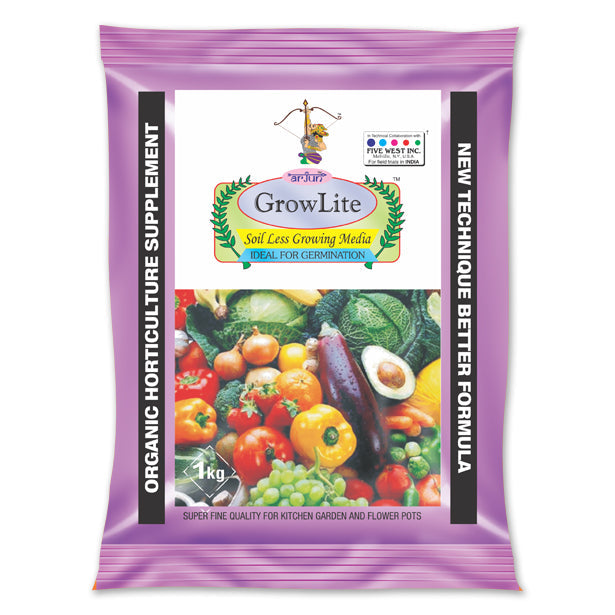
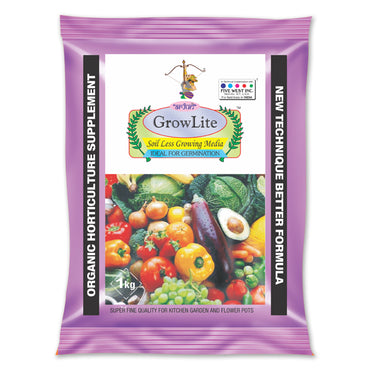
GrowLite
Experience 4X growth with GrowLite—premium soilless growing media with perlite, vermiculite, cocopeat & micronutrients. Perfect potting mix for healthy, fast-growing plants.
Regular price ₹ 110Sale price ₹ 110 Regular priceUnit price per₹ 158 -
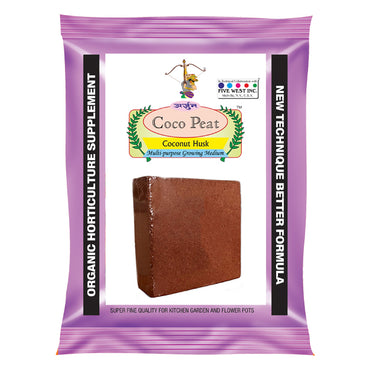
Coco Peat
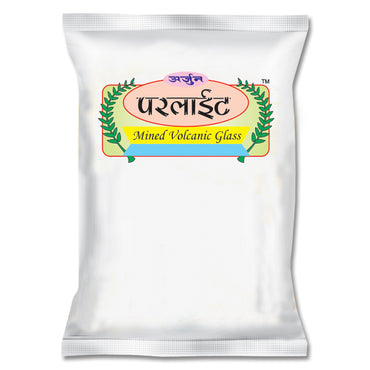
COCO PEAT is an ideal multi-purpose growing medium made by compressing broken down pith inside the coconut husk.
Regular price ₹ 400Sale price ₹ 400 Regular priceUnit price per -
-
-
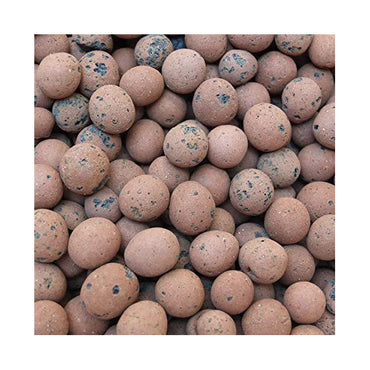
Hydrotons
LECA (Lightweight Expanded Clay Aggregate), LECA Clay Pebbles, Clay Ball, Hydroton for Hydroponics, Aquaponics and Gardening (10 litres)
Regular price ₹ 480Sale price ₹ 480 Regular priceUnit price per₹ 600
Organic Potting Mix and Growing Media in India | Buy Online for Terrace Gardens and Nurseries
The foundation of a healthy plant is the medium it grows in. Standard garden soil compacts in containers, limits root growth, and drains poorly — leading to root rot and nutrient stress. Agricare Corp's range of organic potting mixes and professional growing media are formulated to provide the ideal balance of aeration, drainage, moisture retention, and nutrition — whether you're growing vegetables on a terrace, raising nursery seedlings, or maintaining ornamental container plants.
What Makes a Good Potting Mix?
- Cocopeat or peat moss — for moisture retention and aeration
- Perlite or vermiculite — improves drainage and prevents compaction
- Compost or vermicompost — provides organic matter and slow-release nutrients
- Neem kernel or neem cake — natural pest and disease suppression in the root zone
- Sulphur — improves soil pH and acts as a natural fungal suppressant
Neem-Enriched Potting Mix — Why It Matters
Neem kernel extract in potting mix serves as a natural systemic pest repellent and soil conditioner. It helps suppress soil-borne fungi, nematodes, and certain insect larvae — reducing the need for chemical pesticide application in the root zone. This makes neem-enriched potting mixes particularly popular for organic terrace gardens, kitchen herb gardens, and nursery production where chemical inputs are minimised.
Which Growing Media Is Right for You?
- Terrace and balcony gardens: Use a lightweight organic potting mix with high cocopeat content for good drainage and weight reduction.
- Vegetable and herb growing: Choose a nutrient-rich mix with vermicompost and neem for natural pest protection.
- Nursery seed germination: Use a fine-textured, low-nutrient medium for clean germination without burning sensitive seedlings.
- Ornamental container plants: A well-draining mix with perlite prevents root rot in regularly watered containers.
Container and Planting Guide
| Plant Type | Min. Container Depth | Potting Mix Volume | Recommended Mix Type |
|---|---|---|---|
| Herbs (coriander, basil, mint) | 15 to 20 cm | 3 to 5 litres per pot | Light organic mix with cocopeat |
| Salad greens and spinach | 15 cm | 4 to 6 litres per pot | Nutrient-rich vermicompost mix |
| Tomatoes and chillies | 30 to 35 cm | 15 to 20 litres per grow bag | Neem-enriched mix for pest protection |
| Dwarf fruit trees (lemon, guava) | 40 cm and above | 30 to 50 litres per container | Heavy structural mix with compost |
| Ornamental flowering plants | 20 to 25 cm | 8 to 12 litres per pot | Well-draining perlite-enhanced mix |
| Succulents and cacti | 10 to 15 cm | 2 to 4 litres | Sandy, low-nutrient, fast-draining mix |
Organic Potting Mix vs Garden Soil vs Pure Cocopeat — Comparison
| Feature | Organic Potting Mix | Garden Soil | Pure Cocopeat |
|---|---|---|---|
| Drainage in Containers | Excellent | Poor (compacts quickly) | Very high (drains too fast without amendments) |
| Nutrient Content | Good (compost, neem, vermicompost) | Variable — often depleted | Nil (inert medium — no nutrients) |
| Weight | Lightweight | Heavy (not ideal for terrace loads) | Very lightweight |
| Pest and Disease Risk | Low (neem-enriched) | Higher (soil-borne pathogens) | Very low (sterile medium) |
| Best Used For | All container and terrace planting | In-ground beds and garden borders only | As a component in custom growing mix |
| Reuse | 1 to 2 seasons with top-dressing | Limited in containers | Can be rehydrated and reused |
Cross-Sell: Terrace Garden Starter Bundle
Terrace Garden Starter Bundle — Potting Mix + Fertilizer + Bio Stimulant
- Organic Neem-Enriched Potting Mix (6 kg or 12 kg bag — for container fill)
- Slow Release NPK (Basacote) — mix in at potting time for season-long feeding
- Seaweed Extract Bio Stimulant — for root establishment support and stress tolerance after transplanting
The complete foundation for setting up a new terrace garden or repotting existing containers.
Buying Preference
Frequently Asked Questions
Q: What is the best potting mix for terrace garden plants in India?
A: For terrace gardens, the ideal potting mix is lightweight (to avoid structural load), well-draining, and nutrient-rich. Look for mixes containing cocopeat, vermicompost, perlite, and neem cake. Avoid using plain garden soil in containers — it compacts, restricts drainage, and often contains weed seeds.
Q: What is the difference between potting mix and garden soil?
A: Garden soil is designed for in-ground planting. When used in pots or containers, it compacts quickly, blocks drainage, and can suffocate roots. Potting mix is engineered to remain loose and aerated in a confined container environment, with components specifically chosen for drainage, moisture retention, and root health.
Q: Does organic potting mix contain fertilizer?
A: Yes — organic potting mixes with vermicompost, compost, and neem cake contain slow-release organic nutrients. However, these organic nutrients are typically sufficient only for the first 4 to 8 weeks of plant growth. After that, regular feeding with a liquid fertiliser or the addition of a slow-release NPK fertiliser is recommended.
Q: How often should I replace potting mix in containers?
A: For annual vegetables and herbs, replace the mix at the start of each growing season. For perennial ornamentals and shrubs in containers, refresh the top layer of mix annually and fully replace every 2 to 3 years.
Q: Can I use neem potting mix for edible vegetables and herbs?
A: Yes. Neem-enriched potting mix is safe for edible crops and is actually preferred by organic gardeners. Neem acts as a natural pest and disease suppressant in the root zone without the use of synthetic chemicals.
Related Collections
- Improve your existing garden soil — browse organic soil conditioners
- Support your potting mix with beneficial soil microbes
- Add controlled release fertilizer to your potting mix for season-long feeding
- Complete terrace garden setup — fertilizers, tools and plant care
- Enhance root health and stress resistance with bio stimulants