A beautiful lawn doesn’t require fancy tools, complicated care routines, or hours of labor. What it truly needs is the right seed, healthy soil, and consistent attention. When these basics fall into place, your lawn becomes greener, softer, and far more enjoyable—the kind of space you feel proud to call your own.
Whether you're starting a new lawn, refreshing an old one, or preparing your garden for seasonal changes, this simple guide is designed to make lawn care feel effortless.
Start With the Soil—The Strongest Foundation You’ll Ever Build
Your soil decides everything—how fast grass grows, how green it looks, and how long it stays healthy.
A great lawn starts with:
- Removing all debris—stones, dry leaves, sticks, and dead grass.
- Loosening the top 2–3 inches so roots can breathe and spread.
- Enriching the soil with Kamdhenu Vermicompost or Growlite for better structure.
-
Leveling lightly so water spreads evenly across the lawn.
When soil feels soft, rich, and airy, your lawn grass seed will respond beautifully.
Choose the Right Lawn Grass Seed (This Step Matters the Most)
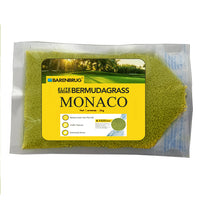
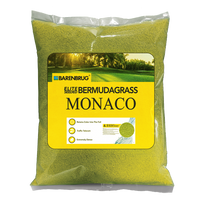
Your seed choice directly impacts color, density, durability, and overall lawn quality. If you want reliable results, choose high-quality turf seed in India options—professionally selected, disease-resistant, high-germination varieties that save you time and effort.
From Agricare Corporation, some of the most trusted turf seeds include:
Jacklin® Top Gun II – Perennial Ryegrass
Fast germination, excellent winter color, and perfect for overseeding.
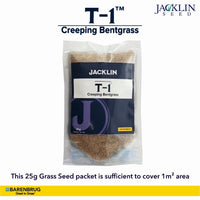
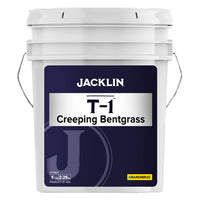
Jacklin® T-1 Turf Type Ryegrass
Durable, bright green, and ideal for landscapers and premium lawns.
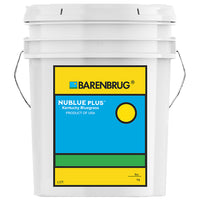
Jacklin® NuBlue Kentucky Bluegrass Blend
Deep color, dense texture, and outstanding cold-season performance.
When your lawn starts with premium seed, everything that follows becomes easier—less patchiness, stronger roots, and a cleaner overall look.
Prepare a Smooth, Soft, Seed-Friendly Bed
A good seedbed helps seeds settle, sprout evenly, and grow strong.
Just do this:
- Break lumps and create a fine soil texture.
- Add compost to hold moisture.
- Rake lightly so the soil stays smooth.
- Add a mild starter fertilizer, Spot Mag, if needed.
Your goal: a clean, smooth, ready-to-grow foundation.
Sow Your Seeds the Simple Way
Planting lawn grass seed doesn’t have to feel technical.
Follow these easy steps:

- Distribute seeds evenly using your hand or a spreader.
- Rake softly so seeds touch the soil without burying too deep.
- Add a thin top layer of soil or compost for protection.
- Water gently using a fine spray so seeds don’t get displaced.
-
Avoid using the area until the first shoots appear.
Most Agricare turf seeds germinate within 6–14 days, depending on season and care.
Water Smart—Not More
Watering is simple but must be done right.

For Newly Seeded Lawns:
- Water lightly 2–3 times a day to keep the top layer moist.
-
Never overload the soil—wet doesn’t mean flooded.
After Seedlings Rise:
- Reduce to once per day.
-
Keep moisture steady.
After Full Establishment:
-
Water deeply 2–3 times a week.
Consistent moisture—not heavy watering—is the secret to a lush lawn.
Mow for Thickness and Health
Your first mowing happens when grass reaches 3 inches.
Rules to follow:

- Use sharp blades to avoid damaging the seedlings.
- Cut only one-third of the height at a time.
- Keep mower height higher in hot seasons.
-
Mow lower before winter overseeding.
Regular mowing encourages denser growth and improves overall lawn appearance.
Feed, Strengthen, and Protect Your Lawn
Your lawn needs nutrition—but in moderation.

Use:
- Starter fertilizer Spot Mag for strong early roots
- Organic manure (Neem Yukt) for soil health and natural protection
-
Seaweed granules Humaxx Granular for resilience, colour, and moisture retention
These combinations not only improve grass growth but also strengthen soil life and build long-term lawn health.
Overseed When the Lawn Needs a Refresh
Over time, lawns naturally thin out. Overseeding fills gaps, adds density, and restores rich green color.
Agricare’s winter turf seeds—such as Top Gun II and T-1 Ryegrass—are perfect for a winter green lawn or general renovation.
It’s one of the easiest ways to rejuvenate an older lawn without starting from zero.
Suggestions for Best Results
- Always choose premium lawn grass seed for consistent germination.
- Improve soil structure before sowing—don’t skip this step.
- Water lightly and regularly during the early growth phase.
- Keep people and pets off new grass for at least 10–12 days.
- Overseed once or twice a year to maintain density.
- Use organic amendments often for long-term soil health.
- Mow high in summer and low before winter.
Little habits make a big difference.

Final Thoughts
A healthy, happy lawn isn’t difficult—it just needs the right start and a little consistency. When you prepare the soil well, choose good lawn grass seed, water correctly, and feed your lawn wisely, the result is a beautiful green space that you enjoy every day.
Whether you're building a lawn for your home, a resort, a sports field, or a landscape project, premium products from Agricare Corporation give you the performance, color, and reliability you need.
Great lawns aren’t built overnight—they’re built with good choices and small daily habits.
Agricare—Growing Greener Lawns, One Seed at a Time.
FAQs
1. How long does lawn grass seed take to grow?
Typically 6–14 days for high-quality turf seeds, depending on moisture and climate.
2. Can I grow a lawn during winter?
Absolutely. With cool-season seeds like perennial ryegrass, winter is one of the best times to establish fresh green turf.
3. Why is my lawn patchy?
Uneven watering, poor soil prep, low-quality seed, or foot traffic. Overseeding fixes most issues.
4. How often should I fertilize?
Light feeding every 45–60 days is ideal for healthy, steady growth.
5. What’s the best way to make my lawn thicker?
Overseeding with high-quality turf seed in India blends and improving your mowing routine.